Does Deep Tissue Massage Hurt? What to Expect in Kharghar
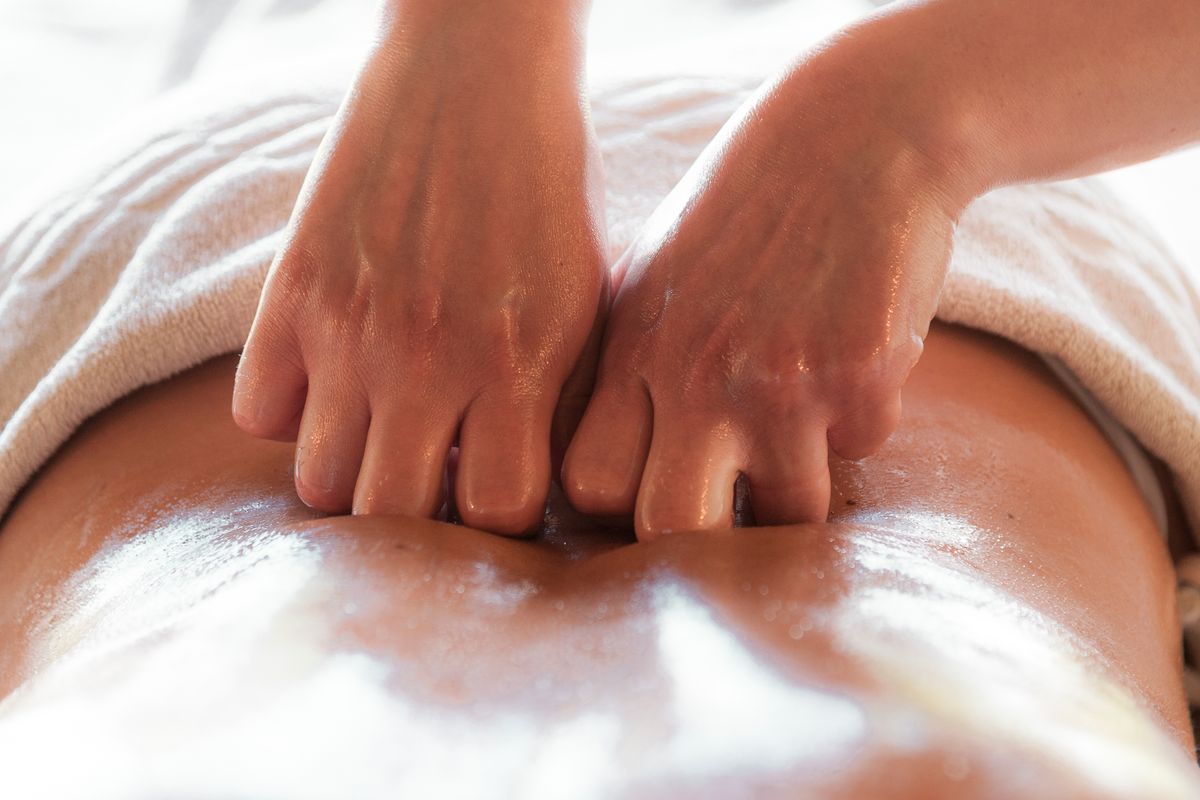
Does deep tissue massage hurt? It can feel intense, and it shouldn't ever feel sharp. If you're thinking about booking your first session at Sea Med Spa in Kharghar and wondering where that line sits, this is the plain version. We'll cover what firm pressure feels like, which kind of discomfort is fine, what soreness the next day is normal, and how to ask your therapist for less without it being awkward.
Does Deep Tissue Massage Hurt? The Short Answer
Firm, yes. Painful, no. Most people describe it as a good kind of hurt: a dense, slightly uncomfortable pressure over a tight spot that eases once the therapist has held it for a while. That's different from a sharp, pinching or burning feeling, which is a signal to speak up straight away.
The reason it feels stronger than a relaxation massage is the pace. Instead of gliding over the whole body, the therapist uses palms, forearms and sometimes elbows to hold sustained pressure on one area and wait for the muscle to let go. Waiting is the part that feels intense. Pushing harder is not how it works, and a good therapist will tell you the pressure should be one you can breathe through.
A simple check while you're on the table: if you can keep breathing slowly and evenly, the pressure is in the right place. If you find yourself holding your breath or tensing your shoulders to cope, it's too much, and tensing up works against the whole point. Say so, and it comes down immediately. Nobody at Sea Med Spa's Sector 7 branch will take it personally, and we'd much rather you tell us in the first five minutes than put up with an hour you didn't enjoy.
Sore After Deep Tissue Massage: What's Normal the Next Day
Mild soreness the day after is common with deep tissue work in Kharghar or anywhere else, especially if it's your first deep tissue massage or the therapist spent time on an area that's been tight for months. Think of how your legs feel a day after a hard walk or workout: a bit tender when you press on the area, a bit stiff getting up, but nothing that stops you from getting on with your day.
For most people that tenderness settles within a day or two. Drinking water afterwards, moving around gently and taking a warm shower are all sensible, and a light stretch the next morning usually feels better than staying still. Give it a couple of days before deciding whether you want a follow-up session, because how you feel on day two tells you more than how you feel an hour after getting up.
Where it stops being normal: soreness that is sharp rather than dull, pain that is getting worse instead of easing after the first day or two, or anything that feels more like an injury than a tired muscle. If that happens, don't wait it out. Message us so we know, and see a doctor if it doesn't settle. General health resources such as WebMD's guide to deep tissue massage cover the same ground if you'd like a second, independent read.
Deep Tissue vs Swedish Massage: Which Pressure Do You Want?
If the pressure question is really a question about which massage to pick, this is the comparison that matters most. Swedish uses long, continuous, lighter strokes across the whole body, and it's the easier choice if you've never had a massage or mostly want to switch off. Deep tissue is slower and more focused, with pressure held on specific tight areas rather than spread evenly.
A rough rule: if you want to feel looked after, book Swedish. If you want one particular spot worked on and you're comfortable with firmness, book deep tissue. If you're somewhere in between, tell us at booking and we'll suggest a starting point. There's also a middle option in Balinese massage, which mixes firmer and lighter pressure through the session. Both Swedish and Balinese are Sector 7 specialties alongside deep tissue, and all three can also be booked at Sector 11.
Deep Tissue Massage for a Stiff Back, and Who Should Choose Differently
Most people who book a deep tissue massage in Kharghar come in with a stiff back, a tight neck or shoulders that have crept up towards their ears after too many hours at a desk. That's exactly what it's suited to: a specific area of tension that a lighter massage glides past. Tell the therapist where it sits and how long it's been there, and they'll spend most of the session on it rather than dividing the time evenly.
It isn't right for everyone, though. If you're after pure relaxation, if you're sensitive to firm pressure, or if you want your whole body looked after evenly, Swedish or an Ayurvedic session at Sector 11 will suit you better. And if you have a recent injury, are pregnant, or are managing a medical condition, mention it before booking so we can adjust the session or point you elsewhere. If your back pain is severe or has lasted a long time, speak to a doctor first. A massage is a wellness service, not medical treatment.
One more practical point: say what you want at the start, not halfway through. A short sentence such as 'firm, but not too firm, focus on my upper back' gives the therapist a clear starting point, and you can nudge it up or down as you go. Nobody has ever had a worse massage for asking.
Booking Deep Tissue Massage at Sea Med Spa, Sector 7
Deep tissue is one of the specialties at our original branch: Shop No 13 & 14, Ravechi Heights, Plot No 25, Sector 7, Kharghar. It's also bookable at our Sector 11 branch, and sessions run 60 or 90 minutes. Rates vary by therapist, so message us on WhatsApp to check availability and confirm the current rate, and mention if it's your first deep tissue session so the therapist can check in on pressure early. The Deep Tissue Massage page has the full treatment details, our Sector 7 page and Sector 11 page cover each branch, and if you'd like to compare it with something gentler, our Thai massage guide explains how a very different style of pressure feels.
Common questions
Does deep tissue massage hurt?
It feels firm and can be intense over a tight spot, but it shouldn't be sharp or unbearable. If you can breathe slowly and evenly, the pressure is right. If you can't, tell your therapist and they'll ease off.
Why am I sore after a deep tissue massage?
Firm pressure on tight muscle can leave the area tender, similar to how you feel after a hard workout. It's common after a first session and usually settles within a day or two.
How long does soreness last after deep tissue massage?
For most people, a day or two. Drink water, move gently and give it a couple of days before deciding on a follow-up. If soreness is sharp or getting worse, message us and see a doctor if it doesn't settle.
Is deep tissue massage good for a stiff back?
It's well suited to a specific tight area like the upper back, lower back or shoulders. Tell the therapist where it sits and how long it's been there. For severe or long-lasting back pain, see a doctor first, as massage isn't medical treatment.
Can I ask for lighter pressure during deep tissue massage?
Yes, at any point. Say it straight away and the pressure comes down. You can also tell the therapist your preferred pressure before starting, and adjust it as the session goes on.
Where can I get a deep tissue massage near me in Kharghar?
Sea Med Spa offers deep tissue massage at our Sector 7 branch, Ravechi Heights, and it's also bookable at Sector 11. Sessions run 60 or 90 minutes.
What should I choose instead if deep tissue feels too intense?
Swedish is the lighter option, with continuous strokes over the whole body. Balinese sits in the middle, mixing firmer and lighter pressure through the session.
Ready to book Sector 7?
Shop No 13&14, Ravechi Heights, Plot No 25, Sector 7, Kharghar, Panvel, Maharashtra 410210